
Buying formal pants often feels simple until you wear them for a full day. Pants that look good on the hanger or even in the trial room can feel uncomfortable, awkward, or unpolished once you start moving. That’s why understanding how formal pants should fit is just as important as choosing the right colour or fabric.
Whether you’re shopping for formal pants for men, office wear trousers, or stretchable formal pants for daily use, the right fit makes the difference between looking sharp and feeling uncomfortable.
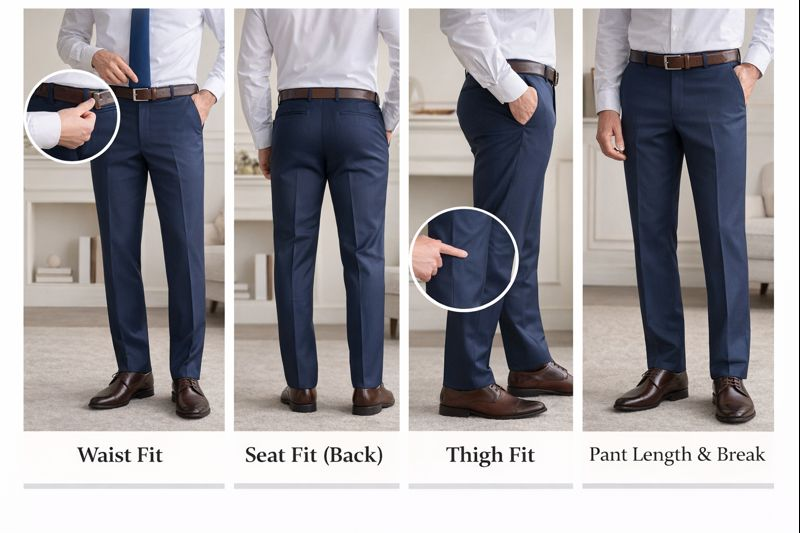
This complete guide breaks down how formal pants should fit at every point – waist, seat, thighs, length, and breakso you can confidently choose trousers that look refined and feel right all day.
Why Proper Fit Matters in Formal Pants
A well-fitted pair of formal trousers creates a clean silhouette, improves posture, and instantly elevates your overall appearance. Poorly fitted pantstoo tight, too loose, or too longcan ruin even premium fabrics.
For professionals wearing formal pants daily, fit also impacts:
- Comfort during long working hours
- Ease of movement while sitting or commuting
- Overall confidence at work or events
Brands like CordeStitch, which focus on modern cuts and comfort-driven designs, emphasize fit because it directly affects how formal pants perform in real life.
1. Waist & Hip Fit: The Foundation of Good Trousers
The waist is the first and most important checkpoint when assessing the fit of formal pants.
How the Waist Should Fit
- The pants should sit comfortably on your natural waist
- You should not need a belt to keep them from sliding down
- You should be able to slide two fingers inside the waistband comfortably
If the waistband digs into your skin or feels loose without a belt, the size is wrong.
Hip & Waist Area Check
- Fabric should lie flat without bunching or pulling
- No pinching around the hips
- No excess folds indicating looseness
This rule applies whether you’re choosing slim fit, tapered fit, or regular fit formal pants.
2. Seat & Rise: Comfort You Can Feel
The seat (backside area) and rise (distance from waistband to crotch) determine how comfortable your trousers feel when sitting or walking.
Proper Seat Fit
- Fabric across the seat should look smooth and flat
- No sagging or drooping at the back
- No horizontal stretch lines (a sign the pants are too tight)
Understanding the Rise
- A good rise allows free movement without pulling
- Pants should not feel tight when sitting
- They should not hang too low either
Modern formal trousers for men usually have a balanced rise that works for office wear and daily use.
3. Thigh & Leg Fit: Clean Drape Matters
Formal pants should fall in a straight, clean line from the waist to the hem.
Thigh Fit Checklist
- Enough room to sit comfortably
- No tight pulling across the thighs
- No excess fabric flapping or folding
Slim fit trousers will feel closer to the leg, while tapered and regular fits offer more room. The key is movement without restriction.
Leg Shape & Drape
- Fabric should fall vertically
- No twisting or bunching around the calves
- Pants should not look like skinny jeans
This applies to all styles, including stretchable formal pants, chinos, and dress trousers.
4. Pant Length & Break: Where Style Meets Fit
The “break” refers to how the pant hem meets your shoe. This is one of the most overlooked details in men’s formal wear.
Types of Break Explained
No Break / Slight Break
- Modern and clean look
- Hem just touches the shoe
- Popular with slim and tapered fits
Medium Break
- Classic and professional
- One small fold at the shoe
- Safest choice for office wear
Full Break
- Traditional look
- Fabric rests more on the shoe
- Works better with wider or regular fits
For most men, a medium break offers the best balance of style and professionalism.
5. Checking the Fit in Real Life (Not Just the Mirror)
Before deciding a pair fits well, test it in motion:
- Sit down fully
- Walk for a minute
- Climb a few steps
- Bend slightly
If the pants pull, dig in, or feel uncomfortable during these actions, the fit needs adjustment.
Tight vs Loose: What’s Better for Formal Pants?
Formal pants should never be extremely tight or overly loose.
- Too tight: Restricts movement, looks unprofessional
- Too loose: Appears sloppy and outdated
The goal is a structured yet comfortable fit, especially important for office wear formal pants.
Common Fit Mistakes Men Make
- Buying pants based only on waist size
- Ignoring rise and thigh comfort
- Choosing trends over body type
- Skipping tailoring for length
Even the best formal pants for men may need minor alterations for a perfect fit.
Should You Always Use a Tailor?
Yesespecially for length and break adjustments. A simple hem alteration can transform how your trousers look.
Tailoring is recommended when:
- Pants bunch at the ankle
- Waist fits but length doesn’t
- One leg looks longer than the other
FAQs
What should be the fitting of formal pants?
Formal pants should fit comfortably at the waist, sit smoothly at the seat, fall straight through the legs, and end with a clean break at the shoe.
How do I know if pants fit well for men?
If you can sit, walk, and move comfortably without pulling or sagging, the pants fit well.
What is the 2 finger test for pants?
You should be able to fit two fingers inside the waistband without discomfort.
Can formal pants be tight?
They can be fitted, but never tight enough to restrict movement or cause visible pulling.
Is it better for pants to be tight or loose?
Neither. Formal pants should be balanced and structured but comfortable.
Final Takeaway
The perfect pair of formal pants is defined by the balance between comfort and structure, style and practicality. By checking the waist, seat, thighs, length, and break, you can confidently choose trousers that look polished and feel comfortable throughout the day.Whether you prefer slim, tapered, or regular fits, following this checklist ensures your formal pants always work with you, not against you.